Our Team
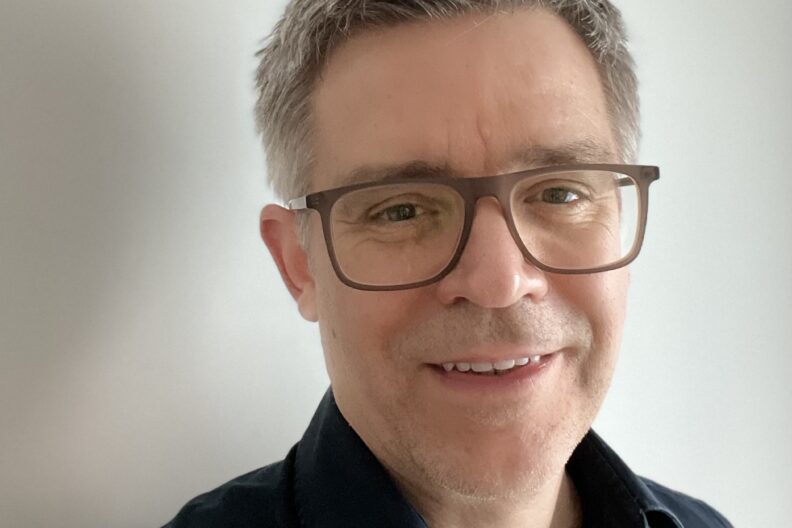
Dr Niklas Ihssen is the Principal Investigator of Chasing Likes, an Associate Professor in Durham University’s Department of Psychology, and a recognised expert in social media research. Trained as an affective neuroscientist, Dr Ihssen has worked and published extensively on human reward, motivation, and addiction. He pioneered the application of neurobiological reward concepts to the study of social media use (Ihssen & Wadsley, 2021) and has published a series of experimental studies examining the debated concept of ‘social media addiction’ (e.g., Wadsley & Ihssen, 2022, 2023). His work has received wide media attention, featuring in more than 80 news outlets, including interviews for Time Magazine, Science Magazine, and the BBC’s Instant Genius: Healthy Start podcast series. Drawing on his research on drug and food reward, he advocates for a balanced perspective on social media’s impact, moving beyond the narrow of often misleading idea of ‘social media addiction’ that dominates public discourse. His public‑facing work includes several commissioned articles for The Conversation, addressing topics such as the effects of social media abstinence on well‑being and physiological responses during Instagram use.
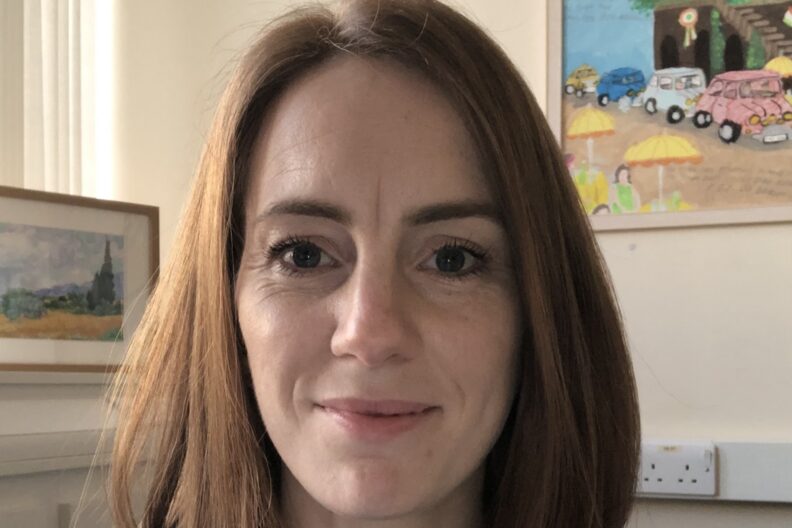
Professor Mary Hanley is the Co-Investigator of Chasing Likes, and a Professor in Durham University’s Department of Psychology. Professor Hanley is a developmental psychologist who leads a highly impactful programme of research on understanding strengths and difficulties for neurodiverse groups. She is the Co-Founder and Co-Director for the Centre for Neurodiversity and Development at Durham University. She has published extensively on social attention and social behaviour in neurodiverse groups and has expertise in a variety of research methods, including experimental and quantitative (e.g. eye-tracking) and qualitative (interviews, focus groups) as well as in the use of participatory research methods. Professor Hanley is very passionate about the translation of psychological science to impact. She leads the successful Triple-A programme of training for educators to support neurodivergent pupils (www.tripleadurham.co.uk; training used by over 9000 people since 2022); in 2022 she established the Junior Scientist programme of engagement in psychological science for school-aged children (hosted over 300 children/families to Durham University to engage in the summer scheme since 2022). In 2024, Professor Hanley was awarded the British Psychological Society’s Developmental Section ‘Impact and Engagement Award’ in recognition of her ‘significant contribution to impact and engagement beyond the academy, in the field of developmental psychology’.
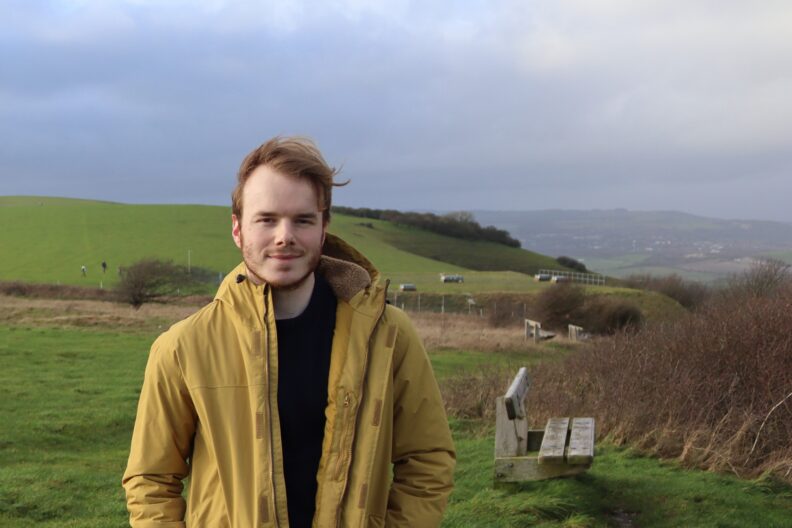
Dr Jamie Moffatt is a Postdoctoral Researcher on the Chasing Likes project, and is based in the Department of Psychology at Durham University. Jamie completed his PhD at the University of Sussex in 2022, and has since worked as a post-doc at Royal Holloway, University of London and Durham University. His research explores how individuals learn to use and respond to features of technology such as Virtual Reality and Social Media.